

 Facebook
 X
 Pinterest
 Copy Link
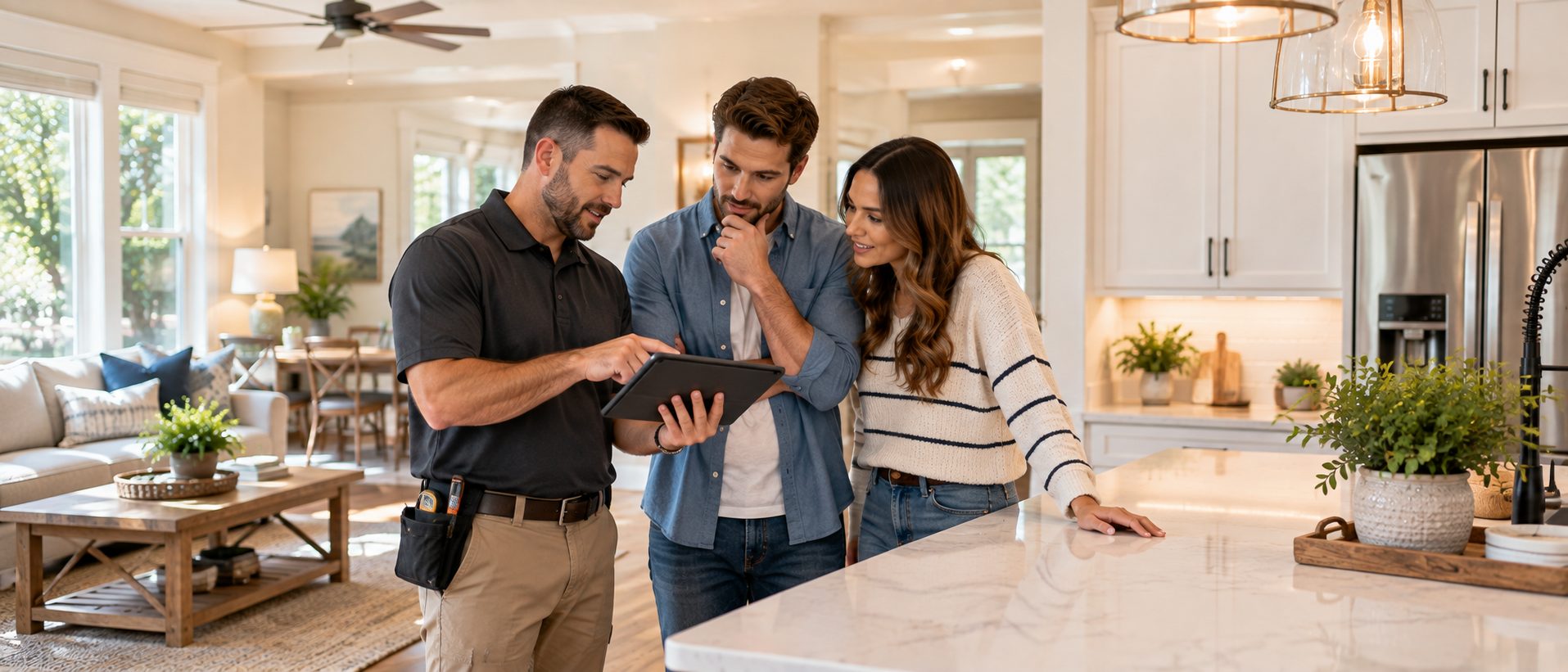
How first-time buyers can use an inspection to understand the home—not panic over the report.
Getting your offer accepted is exciting.
You’ve found a house you love, negotiated the terms, and suddenly you can begin picturing yourself living there.
Then comes the home inspection.
And sometimes, what started as excitement turns into worry when you open a report filled with photographs, unfamiliar terms, and a long list of things the inspector noticed.
I understand why that can feel overwhelming, especially when you’re buying your first home.
But here’s something I want buyers to remember:
A home inspection isn’t a pass-or-fail test. It’s an opportunity to learn more about the house before you make your next decision.
And learning more is a good thing.
Almost Every Home Has Something to Report
Even a well-maintained home can have inspection findings.
An inspector may identify an aging component, a maintenance concern, something that needs repair, or a condition that deserves further evaluation.
Some findings may be relatively minor.
Others may involve safety, major systems, moisture intrusion, structural concerns, or potentially expensive repairs.
The important thing is understanding that not every finding carries the same significance.
A loose cabinet handle and evidence of an active roof leak are very different concerns.
That’s why I encourage buyers not to focus only on how many items appear in the report.
Instead, let’s understand what those findings actually mean.
The Inspection Helps You See Beyond the Showing
When you first tour a house, you’re naturally paying attention to how it looks and feels.
You notice the kitchen, the bedrooms, the backyard, and whether you can imagine living there.
A home inspection brings another perspective.
A qualified inspector evaluates accessible components and systems within the scope of the inspection and documents observed conditions.
That might include portions of the roof, electrical and plumbing systems, heating and cooling equipment, visible structural components, and other areas covered by the inspection.
But an inspection has limitations. It isn’t a guarantee that every problem will be discovered, and it doesn’t replace specialized evaluations when those are needed.
I think of it as another important piece of information.
We’re moving from “I really like this house” toward “What do I understand about the house I’m considering buying?”
Both questions matter.
In my earlier article about what you can change and what you may need to live with, I talked about looking beyond cosmetic finishes and considering the parts of a home that affect everyday life.
An inspection helps us take that conversation further by looking more closely at the property’s condition.
Read the Report, but Don’t Try to Become an Inspector Overnight
Inspection reports can be detailed.
They may include technical descriptions, photographs, recommendations, and information you’ve never encountered before.
You don’t have to become an expert in roofing, plumbing, electrical systems, or construction to buy a home.
But you should understand the concerns that may affect your decision.
If something in the report isn’t clear, ask the inspector to explain it.
If a finding suggests a potentially significant issue, you may need an evaluation from an appropriately qualified specialist.
A home inspector identifies and reports conditions within the inspection’s scope. A licensed contractor or other qualified professional may be needed to determine the cause, appropriate repair, or estimated cost.
And that’s okay.
The goal isn’t to understand every technical detail yourself. It’s to get the information you need from the right people.
Separate Maintenance From Bigger Concerns
One of the most helpful things buyers can do is begin organizing the findings into meaningful groups.
Routine maintenance and smaller repairs
These might include minor adjustments, ordinary wear, or maintenance items that come with owning a home.
They still deserve attention, but they may not affect your decision the same way a major concern would.
Aging components and future expenses
A system may be functioning today but approaching an age when replacement becomes more likely.
That doesn’t automatically mean it needs replacing immediately.
It does mean you should understand its condition and think about the potential expense.
Safety concerns or significant defects
Some findings deserve more immediate attention.
Electrical hazards, evidence of significant water intrusion, structural concerns, or other potentially serious conditions may warrant additional investigation.
These are not items I want buyers casually dismissing.
And remember, the inspector’s report may not tell us everything we need to know about the cost or extent of a problem.
Sometimes the next step is gathering more information.
Northwest Florida Homes Have Their Own Considerations
Here along the Emerald Coast, there are some property concerns I particularly want buyers to understand.
Roof condition and age can affect maintenance planning and insurance options.
Moisture intrusion and drainage deserve attention in our humid, rainy climate.
Heating and cooling systems work hard during our long warm seasons.
Depending on the property, buyers may also need to understand flood exposure, windstorm insurance considerations, and whether additional inspections or documentation will be required by an insurer.
These aren’t reasons to be afraid of buying a home in Northwest Florida.
They’re reasons to ask good questions.
An inspection also doesn’t automatically answer every insurance question. Your insurance professional may need additional information, and separate inspections or reports may be necessary.
That’s why I encourage buyers to investigate insurance availability and costs early rather than waiting until closing is approaching.
What Happens If the Inspection Finds Something Significant?
This is usually when buyers have the most questions.
Do we ask for repairs?
Do we request a credit or another concession?
Do we get another professional opinion?
Do we continue with the purchase?
Or is this a concern that changes how we feel about the house?
The answer depends on the findings, the purchase contract, applicable deadlines, the seller’s response, and what the buyer is comfortable accepting.
Different contracts provide different rights and procedures. An inspection does not automatically give a buyer the right to require repairs or cancel without consequences.
That’s why the contract matters so much.
My job is to help you understand the transaction process, review the options available under your agreement, and make sure we pay attention to the important deadlines.
For technical questions, we bring in the appropriate professionals.
And when you have the information you need, you decide what you’re comfortable doing next.
That’s the part I never want buyers to lose sight of.
Don’t Let the Report Make the Decision for You
An inspection report can be emotional.
You’ve already started imagining furniture in the living room and family gatherings in the backyard.
Now you’re looking at photographs of things that may need attention.
It can be tempting to react immediately.
But before making a decision, I want to talk through what we actually know.
What did the inspector observe?
What needs clarification?
Are there concerns that require further evaluation?
What could the repairs involve?
How might those expenses affect your budget?
And does the house still make sense for you?
I encourage buyers to understand the costs of homeownership beyond the mortgage payment before they begin searching, because maintenance and repairs are part of the financial picture, too.
Sometimes the information helps buyers move forward with greater confidence.
Sometimes it leads to further negotiation or investigation.
And sometimes it helps someone recognize that a particular property isn’t the right fit.
Those can all be informed outcomes.
Confidence Comes From Understanding, Not From a Perfect Report
I don’t expect buyers to feel excited about every inspection finding.
Nobody wants to discover an unexpected problem with a house they love.
But I do want buyers to feel confident that they’re making decisions with their eyes open.
That’s been my approach throughout the home-buying process.
You don’t have to know everything before you begin. You need to understand each decision before you’re asked to make it.
That’s also why I created my guide to buying your first home and understanding what happens before closing.
The inspection is one important part of that larger journey.
It isn’t there to take away the excitement.
It’s there to help you understand what you’re buying.
And I think that’s something every buyer deserves.
A Milestone Worth Celebrating
There’s a special kind of confidence that comes from knowing you’ve asked the questions, listened to the answers, and made a decision you understand.
Your home doesn’t have to be perfect to become the place where wonderful things happen.
But you deserve to know as much as reasonably possible about the home you’re choosing.
Sometimes the milestone isn’t just getting the keys. It’s knowing you made a thoughtful decision about the place where life will happen next.
Continue Reading
Learn what to look for beyond the finishes
What Can You Change—and What Should You Learn to Live With?
Start with the complete first-time buyer guide
Buying Your First Home: What You Need to Know Before You Start
Understand what comfortable homeownership really costs
How Much House Can You Afford—and Still Feel Comfortable Living There?
Discover the philosophy behind Life Happens Here
A House Is Where You Live. A Home Is Where Life Happens.
Whenever you’re ready for your next milestone, I’ll be here to celebrate it with you.
Bethany Mixson
REALTOR® | ERA American Real Estate
Life Happens Here
Celebrating the milestones that make a house a home.
