

 Facebook
 X
 Pinterest
 Copy Link
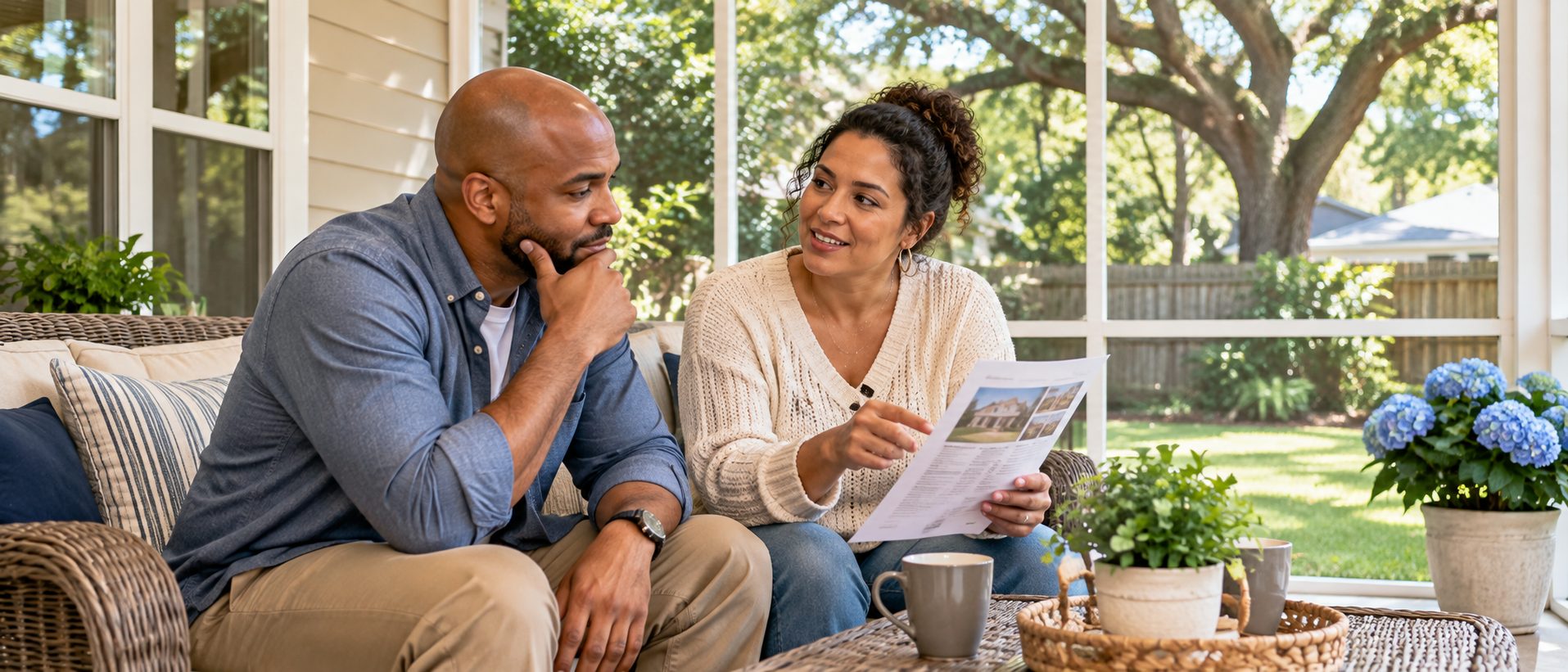
Understanding price, terms, and the decisions behind a confident offer.
Finding a house you love is exciting.
You can picture your furniture in the living room. You’ve already thought about where everyone will gather, and maybe you’ve started imagining what your first holiday there might look like.
Then comes the big question.
How much should we offer?
This is where I like to slow the conversation down just enough to look at the information we have.
Because finding a home you love and deciding what you’re comfortable offering are two different things.
And I want you to feel confident about both.
The Asking Price Is a Starting Point
When you see a home listed for a certain price, it’s natural to assume that’s what the home is worth.
But an asking price is what the seller is requesting. It doesn’t necessarily tell us what a buyer should offer.
I like to look at comparable properties that have recently sold, homes currently competing for buyers’ attention, the property’s condition, and what’s happening in that particular part of the market.
Two houses with the same number of bedrooms and similar square footage can have very different values.
Location, updates, lot characteristics, condition, and other factors can make a meaningful difference.
That’s where my analytical side comes in.
I want to understand what the information is telling us before we decide how to respond.
Your Budget Still Matters—Even When You Love the House
Remember that comfortable price range we talked about before you started looking?
It still matters.
Sometimes buyers find a house that’s just a little more expensive than they planned.
And it’s easy to start thinking, “Well, it’s only a little more.”
But a higher purchase price may affect your monthly payment, closing expenses, and the financial breathing room you have after moving in.
That’s why I encourage buyers to choose a home price that still leaves room for everyday life, not simply focus on the maximum amount they may qualify to borrow.
Sometimes stretching a little makes sense for a buyer’s circumstances.
Sometimes it doesn’t.
The important thing is understanding the tradeoff before making the decision.
A Strong Offer Isn’t Always the Highest Offer
Price gets most of the attention, but it’s not the only part of a purchase offer.
Sellers may also consider financing arrangements, closing timelines, contingencies, deposits, and other contract terms.
For example, a seller who needs additional time to move may value a particular closing schedule.
Another seller may have different priorities.
We can’t always know exactly what matters most to the person on the other side of the transaction.
But we can look at the circumstances, discuss the available information, and consider how the terms of your offer fit both your needs and the seller’s situation.
I never want buyers to assume they should give up important protections simply to make an offer look stronger.
A good offer is one you understand and are comfortable making.
Think About the House You’re Actually Buying
This is another reason I don’t want buyers making an offer based only on how much they like the house.
We need to consider the property itself.
Is it in the location you want?
Does the layout work for your everyday life?
What is its apparent condition?
Are there improvements you would want to make?
How does it compare with other homes you’ve seen?
These are the same questions we explored when discussing what you can change about a house and what you’ll need to live with.
A beautifully updated kitchen may be appealing, but it doesn’t automatically make the entire property worth more to you.
And a home with dated finishes may still offer excellent value if the location, layout, condition, and price make sense.
We’re looking at the whole picture.
What If Someone Else Wants the House?
Competition can make buyers nervous.
You may worry that another offer will come in while you’re deciding what to do.
And sometimes the market does require timely decisions.
But timely doesn’t have to mean careless.
Before submitting an offer, I want you to understand what you’re proposing, what obligations you may be taking on, and what could happen next.
That includes discussing the contract terms and any important deadlines.
There may be circumstances where you decide to make a more competitive offer.
There may also be circumstances where you decide a particular price or term simply isn’t right for you.
Both decisions can be reasonable.
The goal isn’t to win a house at any cost.
It’s to make a decision you can stand behind.
What Happens After You Make the Offer?
Once your offer is submitted, the seller may accept it, reject it, or propose different terms.
Sometimes negotiations are straightforward.
Other times, there may be several details to work through before everyone reaches an agreement.
And even after an offer is accepted, there are usually additional steps before closing.
Depending on the contract and financing, those may include inspections, appraisal, insurance arrangements, title work, and other requirements.
That’s why I encourage buyers to understand the home-buying process before they’re asked to make each decision.
An accepted offer is an exciting milestone.
But it isn’t the same as having the keys.
There’s still work to do, and I want you to know what to expect.
You Don’t Have to Guess Your Way Through It
One of the things I enjoy most about helping first-time buyers is watching their confidence grow.
At the beginning, everything can feel unfamiliar.
By the time we’re discussing an offer, they’ve learned how to evaluate homes, compare options, ask better questions, and recognize what matters to them.
That’s real progress.
When we find a home you’re excited about, I’ll help you review the available information, understand the terms, and talk through the decisions.
I’ll tell you what I’m seeing.
I’ll explain what we know and what we don’t.
And then we’ll work through your options together.
Because the right offer isn’t just about getting the seller to say yes.
It’s about making a decision that feels right for you, too.
A Milestone Worth Celebrating
There’s something special about finding a house that makes you imagine the life you could build there.
But there’s another milestone worth recognizing: learning to make a big decision with confidence.
Whether your first offer is accepted or leads you to keep looking, every thoughtful decision brings you closer to finding the right place to call home.
And when that day comes, we’ll have something wonderful to celebrate.
Continue Reading
Start with the complete first-time buyer guide
Buying Your First Home: What You Need to Know Before You Start
Find a price that works for your life
How Much House Can You Afford—and Still Feel Comfortable Living There?
Look beyond the finishes when evaluating a home
What Can You Change—and What Should You Learn to Live With?
Understand what happens during a home inspection
The Home Inspection Isn’t a Pass-or-Fail Test
Whenever you’re ready for your next milestone, I’ll be here to celebrate it with you.
Bethany Mixson
REALTOR® | ERA American Real Estate
Life Happens Here
Celebrating the milestones that make a house a home.
